世界咖啡日:巴西旅游局发布七条“咖啡之路”World Coffee Day: Brazilian Tourism Authority releases seven 'coffee roads'
中新网圣保罗4月13日电 (记者 林春茵)在4月14日世界咖啡日来临之际,巴西旅游局11日发布七条精选咖啡主题旅游线路,向国际游客系统展示巴西主要咖啡产区的人文历史与产业特色,邀请游客深入庄园体验“从豆到杯”的完整制作过程,感受巴西咖啡文化魅力。

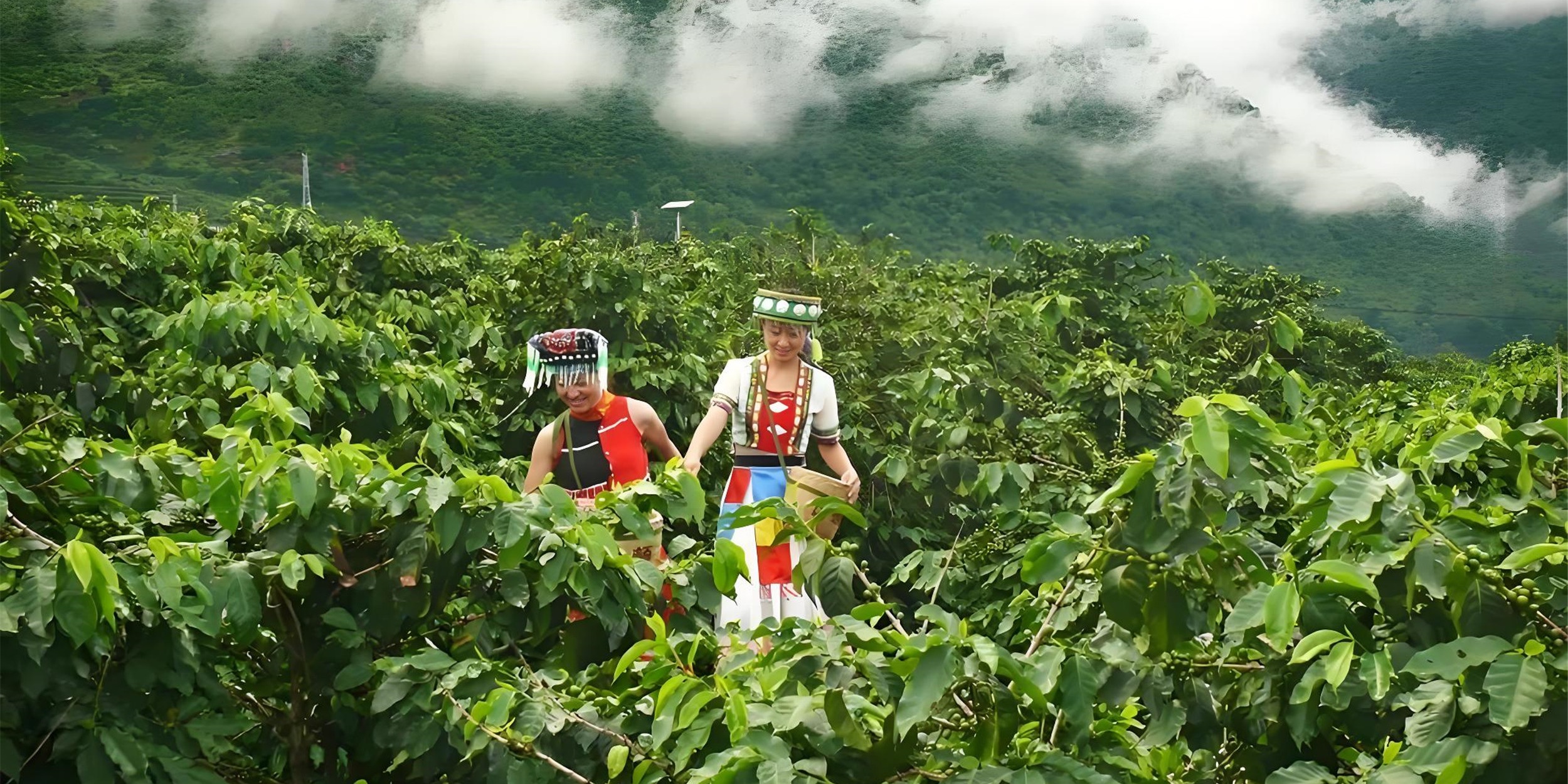
巴西咖啡庄园。巴西旅游局供图
巴西是全球最大的咖啡生产国之一,咖啡种植历史超过150年,产业分布覆盖全国约1900个城镇,数十万生产者以家庭农场为主体。
此次发布的七条咖啡旅游线路覆盖巴西东南部、南部及东北部多个核心产区,包括米纳斯吉拉斯州喜拉多产区、南米纳斯产区、卡帕拉奥山区,里约热内卢州咖啡谷,圣保罗州咖啡历史线路,以及塞阿腊州绿色咖啡之路和巴拉那州北部咖啡之路等。
这七条咖啡之路包括:
1.喜拉多(米纳斯吉拉斯州)
喜拉多咖啡之路位于巴西东南部米纳斯吉拉斯州的上巴拉那伊巴和米内罗三角区,路线主要经过帕特罗西尼奥(Patrocínio)、蒙特卡梅洛(Monte Carmelo)和帕图斯迪米纳斯(Patos de Minas)等城市,路线包含咖啡庄园、烘焙坊和精品咖啡馆。
游客可以参加庄园导览、专业品鉴和冲煮课程,体验精品咖啡世界,还可以参观咖啡烘焙,探索咖啡馆,品尝当地美食。部分种植园也对外开放,游客可以漫步园中,近距离了解咖啡生产中的可持续理念,以及从采收到烘焙的整个过程。行程含午餐和晚餐,游客可以尝到米纳斯吉拉斯的美味餐食。
附近主要机场有乌贝兰迪亚机场,可以在距机场160公里的帕特罗西尼奥市住宿。
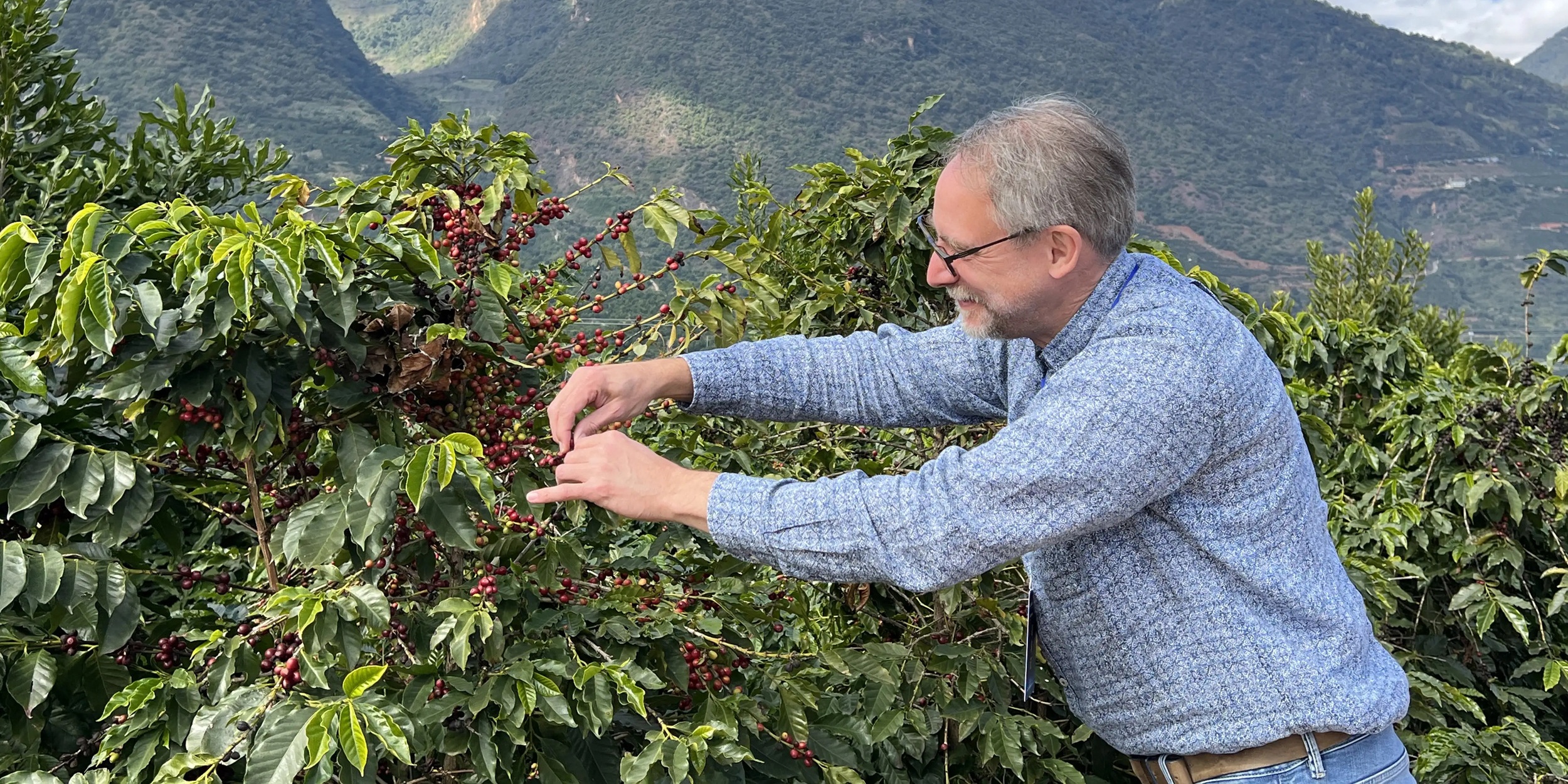
巴西咖啡旅游线路建议游客参观历史庄园、精品咖啡馆和烘焙坊,参与采摘体验、品鉴课程和冲煮教学。巴西旅游局供图
2.南米纳斯(米纳斯吉拉斯州)
南米纳斯咖啡之路位于米纳斯吉拉斯州南部,是世界上最传统、最知名的咖啡产区之一。路线经过圣洛伦索(São Lourenço)、卡尔穆迪米纳斯(Carmo de Minas)、特雷斯蓬塔斯(Três Pontas)、圣塞巴斯蒂昂-杜帕拉伊索(São Sebastião do Paraíso)、马查多(Machado)、瓦尔任阿(Varginha)和坎普斯热拉斯(Campos Gerais),涵盖多个庄园、咖啡馆、烘焙坊,途经多样的乡村美景,可以品尝到各种地区美食。
游客可以沿线参观百年庄园和家庭农舍,参观晒场,了解咖啡生产流程和手工烘焙工艺,参加冲煮课程和品鉴活动。当地的奶酪、甜点、面包和菜肴都具有特色,值得一试。途中多个庄园都提供住宿,在这里可以体验到米纳斯吉拉斯州恬适的乡村生活。
附近主要机场有贝洛奥里藏特机场。
3.卡帕拉奥(米纳斯吉拉斯州、圣埃斯皮里图州)
卡帕拉奥山脉咖啡之路位于巴西东南部的米纳斯吉拉斯和圣埃斯皮里图两州交界处,许多种植园海拔超过千米,为优质咖啡生产提供了理想的条件。这一地区培育出多种风味的咖啡,获得多个奖项。
在米纳斯吉拉斯州内,路线主要经过上卡帕拉奥(Alto Caparaó)、卡帕拉奥(Caparaó)、埃斯佩拉费利斯(Espera Feliz)和上热基蒂巴(Alto Jequitibá)等地区。而在圣埃斯皮里图州,途经城镇包括穆尼斯弗雷里(Muniz Freire)、伊乌纳(Iúna)、伊鲁皮(Irupi)、迪维诺迪圣洛伦索(Divino de São Lourenço)和伊巴蒂巴(Ibatiba)。地区以世世代代种植咖啡的小型家庭农庄为主,游客可以深入种植园,近距离地了解所有生产过程,参加品鉴体验,和当地咖农交流。游客甚至可以在部分农庄参与采摘,参观晒场和烘焙过程。这里的特色美食同样不容错过。
附近主要机场有维多利亚机场和贝洛奥里藏特机场。

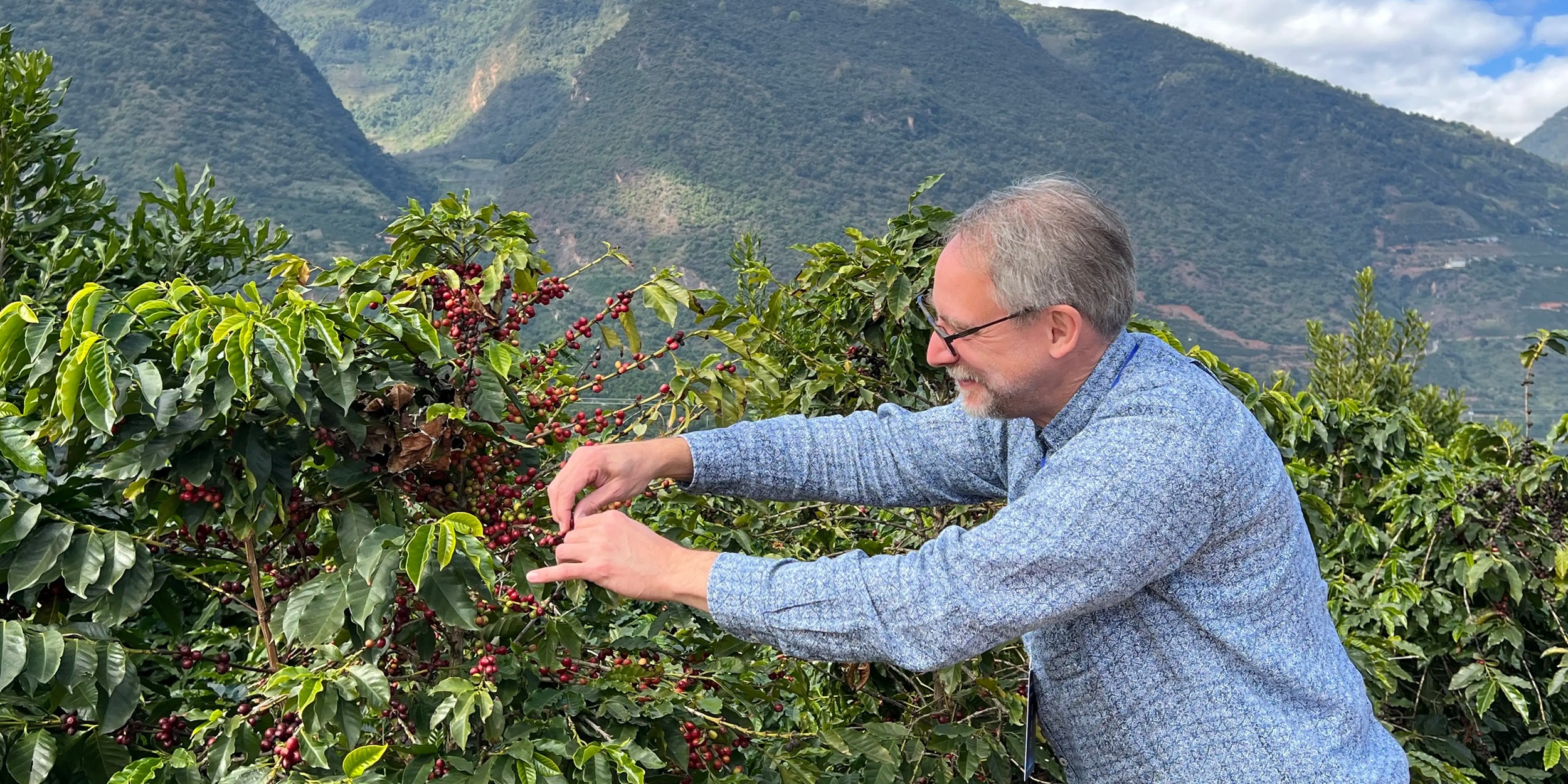
巴西咖啡旅游线路鼓励游客体验体验“从豆到杯”的完整制作过程。巴西旅游局供图
4.咖啡谷(里约热内卢州)
里约热内卢咖啡谷位于巴西东南部,地处马尔山脉和曼蒂凯拉山脉之间。这个地区是19世纪巴西帝国时期的咖啡经济中心,至今仍保留着丰富的历史、建筑和文化遗产。路线涵盖瓦索拉斯(Vassouras)、瓦伦萨(Valença)、巴拉杜皮萊(Barra do Piraí)、里约达斯弗洛雷斯(Rio das Flores)和南帕拉伊巴(Paraíba do Sul)等多个城市。
许多古老种植庄园已经改造为旅馆、餐馆、博物馆和文化中心。可以通过导览活动了解传统设备,也可以参观晒场和庄园主宅邸。大多数庄园提供食宿点心,可以在这里骑马和徒步,还可以听音乐会,参加各类文化活动。
附近主要机场有加利昂国际机场,距咖啡谷约2–3小时车程。
5.圣保罗咖啡之路(圣保罗州)
圣保罗州的咖啡历史源远流长,咖啡产业推动了当地的城市发展、铁路建设和经济繁荣。如今,这一历史遗产形成了一条特色路线,分布于内陆和沿海,经过坎皮纳斯(Campinas)、莫吉亚纳(Mogiana)、圣保罗中西部(Centro-Oeste Paulista)、上圣保罗(Alta Paulista)和桑托斯(Santos)地区。
游客可以沿途参观历史庄园,参加品鉴会,探访精品咖啡馆和烘焙坊,也可以乘坐火车,游览昔日的咖啡铁路运输线。这里还有多重美食体验以及咖啡相关的文化活动。另外,桑托斯市有一座咖啡博物馆,位于官方咖啡交易中心旧址。这里曾是巴西咖啡走向世界的起点,数百万袋咖啡在这里交易流通,销往世界各地。
推荐安排3–5天时间来深入探索坎皮纳斯、里贝朗普雷图(Ribeirão Preto)和桑托斯等城市。附近主要机场有圣保罗瓜鲁柳斯国际机场。
6.绿色咖啡之路(塞阿腊州)
在巴西东北部的塞阿腊州内陆地区,有巴西最特别的咖啡路线之一,即位于巴图里特山脉的绿色咖啡之路。当地咖啡种植始于19世纪,至今仍然由小型家庭经营种植为主。路线经过瓜拉米兰加(Guaramiranga)、穆隆古(Mulungu)、帕科蒂(Pacoti)和巴图里特(Baturité)等地区,包含乡村农庄、餐馆、民宿和各个自然景点。
在绿色咖啡之路,游客可以和咖农直接交流,由向导带领深入种植园,了解遮阴种植这类更可持续的生产方式,以及家庭经营中保护当地生物多样性的自然责任意识。游客可以在途中了解整个生产过程,还可以品尝到当地的手冲咖啡。
附近主要机场有福塔莱萨国际机场,距绿色咖啡之路仅2小时车程左右。
7.北部咖啡之路(巴拉那州)
巴西南部的巴拉那州北部地区,曾是20世纪咖啡文化扩张的重要地区。这里的特色路线主要经过雅卡雷济纽(Jacarezinho)、里贝朗克拉鲁(RibeirãoClaro)、卡洛波利斯(Carlópolis)、圣安东尼奥-达普拉蒂纳(Santo Antônio da Platina)、伊巴伊蒂(Ibaiti)、皮尼亚朗(Pinhalão)、托马齐纳(Tomazina)和若阿金塔沃拉(Joaquim Távora)等地,路线融合了精品咖啡与乡村旅游,美食文化与历史遗产。
游客可以沿线参观历史庄园,走访咖啡生产商,参加品鉴活动,探店咖啡馆和烘焙坊,了解咖啡生产过程。还可以在山坡和树林之间,沿乡间小路深入种植园。沿途有多个乡村饭馆、家庭农企和奶酪店,还有蜂蜜、甘蔗酒等当地特产。
建议安排三天左右的时间游览,附近主要机场有隆德里纳机场和马林加机场。(完)
Sao Paulo, April 13th (Xinhua) -- On the occasion of World Coffee Day on April 14th, the Brazilian Tourism Authority released seven selected coffee themed tourist routes on April 11th, showcasing the cultural history and industrial characteristics of Brazil's major coffee producing areas to the international tourist system. Visitors are invited to experience the complete production process from beans to cups in the estate and feel the charm of Brazilian coffee culture.
Brazilian coffee plantation. Photo provided by Brazilian Tourism Bureau
Brazil is one of the world's largest coffee producing countries, with a coffee cultivation history of over 150 years. The industry covers about 1900 towns across the country, and hundreds of thousands of producers are mainly family farms.
The seven coffee tourism routes released this time cover multiple core production areas in southeastern, southern, and northeastern Brazil, including the Girado region in Minas Gerais state, the Minas South region, the Caparao mountain area, the Rio de Janeiro state coffee valley, the S ã o Paulo state coffee historical route, as well as the Serra state green coffee road and the northern Paran á state coffee road.
These seven coffee paths include:
1. Girado (Minas Gerais state)
The Girado Coffee Road is located in the triangle of Upper Paranaiba and Mineiro in the southeastern state of Minas Gerais, Brazil. The route mainly passes through cities such as Patroc í nio, Monte Carmelo, and Patos de Minas, and includes coffee estates, bakeries, and boutique cafes.
Tourists can participate in estate tours, professional tasting and brewing courses, experience the world of boutique coffee, visit coffee roasting, explore cafes, and taste local cuisine. Some plantations are also open to the public, allowing visitors to stroll around and get up close to learn about sustainable coffee production concepts and the entire process from harvesting to roasting. The itinerary includes lunch and dinner, and visitors can taste the delicious meals of Minas Gerais.
The main airport nearby is Uberandia Airport, where you can stay in the city of Patrosinio, which is 160 kilometers away from the airport.
The Brazilian coffee tourism route suggests that tourists visit historic estates, boutique cafes, and bakeries, participate in picking experiences, tasting courses, and brewing instruction. Photo provided by Brazilian Tourism Bureau
2. Minas Gerais (Minas Gerais state)
The South Minas Coffee Road is located in the southern part of Minas Gerais state and is one of the most traditional and well-known coffee producing areas in the world. The route passes through S ã o Louren ç o, Carmo de Minas, Tr ê s Pontas, S ã o Sebasti ã o do Para í so, Machado, Varginha, and Campos Gerais, covering multiple estates, cafes, and bakeries. It passes through diverse rural landscapes and offers a variety of regional cuisine.
Tourists can visit century old estates and family farmhouses along the route, visit sun drying fields, learn about coffee production processes and manual roasting techniques, participate in brewing courses and tasting activities. The local cheese, desserts, bread, and dishes are all unique and worth a try. Multiple estates offer accommodation along the way, where you can experience the peaceful rural life of Minas Gerais state.
The main airport nearby is Belo Horizonte Airport.
3. Caparao (Minas Gerais, Espiritu Santo)
The Caparao Mountain Coffee Road is located at the border of Minas Gerais and Espiritu Santo states in southeastern Brazil, with many plantations at elevations exceeding one kilometer, providing ideal conditions for high-quality coffee production. This region has cultivated various flavors of coffee and won multiple awards.
In the state of Minas Gerais, the route mainly passes through areas such as Alto Capara ó, Capara ó, Espera Feliz, and Alto Jequitib á. In the state of Espiritu Santo, passing towns include Muniz Freire, I ú na, Irupi, Divino de S ã o Louren ç o, and Ibatiba. The region is dominated by small family farms that have been cultivating coffee for generations. Tourists can delve into the plantations, get up close to all the production processes, participate in tasting experiences, and communicate with local coffee farmers. Tourists can even participate in picking, visiting sun drying fields, and baking processes at some farms. The specialty cuisine here is also not to be missed.
The main airports nearby are Victoria Airport and Belo Horizonte Airport.
The Brazilian coffee tourism route encourages tourists to experience the complete production process from beans to cups. Photo provided by Brazilian Tourism Bureau
4. Coffee Valley (Rio de Janeiro State)
The Rio de Janeiro Coffee Valley is located in the southeastern part of Brazil, between the Mar Mountains and the Mantikela Mountains. This region was the center of the coffee economy during the Brazilian Empire in the 19th century and still preserves rich historical, architectural, and cultural heritage to this day. The route covers multiple cities including Vassouras, Valen ç a, Barra do Pira í, Rio das Flores, and Para í ba do Sul.
Many ancient plantation estates have been transformed into hotels, restaurants, museums, and cultural centers. You can learn about traditional equipment through guided tours, as well as visit the sun drying field and the estate owner's residence. Most manors provide accommodation and Dim sum, where you can ride horses and hike, listen to concerts and participate in various cultural activities.
The main airport nearby is Galeon International Airport, which is about 2-3 hours' drive from Coffee Valley.
5. Sao Paulo Coffee Road (Sao Paulo State)
The coffee history of S ã o Paulo state has a long and rich history, and the coffee industry has driven local urban development, railway construction, and economic prosperity. Nowadays, this historical heritage has formed a distinctive route, distributed inland and coastal, passing through Campinas, Mogiana, Central Oeste Paulista, Alta Paulista, and Santos regions.
Tourists can visit historical estates, attend tasting events, visit boutique cafes and bakeries along the way, or take trains to explore the former coffee railway transportation line. There are also multiple food experiences and cultural activities related to coffee here. In addition, Santos city has a coffee museum located on the site of the official coffee trading center. This used to be the starting point for Brazilian coffee to go global, with millions of bags of coffee traded and sold around the world.
Recommend spending 3-5 days exploring cities such as Campinas, Ribeir ã o Preto, and Santos in depth. The main airport nearby is Sao Paulo Guarulhos International Airport.
6. Green Coffee Road (Saarland)
In the inland area of the state of Cear á in northeastern Brazil, there is one of the most unique coffee routes in Brazil, the Green Coffee Route located in the Baturite Mountains. Local coffee cultivation began in the 19th century and is still mainly operated by small families today. The route passes through areas such as Guaramiranga, Mulungu, Pacoti, and Baturit é, including rural farms, restaurants, homestays, and various natural attractions.
On the Green Coffee Road, tourists can directly communicate with coffee farmers and be led by guides to visit the plantations to learn about more sustainable production methods such as shaded planting, as well as the natural responsibility of protecting local biodiversity in family businesses. Tourists can learn about the entire production process on the way and also taste local hand brewed coffee.
The main airport nearby is Fortaleza International Airport, which is only a 2-hour drive from the Green Coffee Road.
7. Northern Coffee Road (Paran á state)
The northern region of Paran á state in southern Brazil was an important area for the expansion of coffee culture in the 20th century. The characteristic routes here mainly pass through Jacarezinho, Ribeir ã o Collaro, Carl ó polis, Santo Ant ô nio da Platina, Ibaiti, Pinhal ã o, Tomazina, and Joaquim T á vora, integrating boutique coffee and rural tourism, culinary culture, and historical heritage.
Tourists can visit historical estates along the route, visit coffee producers, participate in tasting activities, explore cafes and bakeries, and learn about the coffee production process. You can also venture deep into the plantation along the country road between the hillside and the forest. Along the way, there are multiple rural restaurants, family run agricultural enterprises, and cheese shops, as well as local specialties such as honey and sugarcane wine.
It is recommended to schedule a visit for about three days, as the main airports nearby are Londrina Airport and Malinga Airport. (End)