《人民日报》点赞云南:林果成长为一个个特色产业People's Daily praises Yunnan: Forest fruits have grown into distinctive industries
8月23日
《人民日报》刊文
努力向森林要食物
林果成长为一个个特色产业
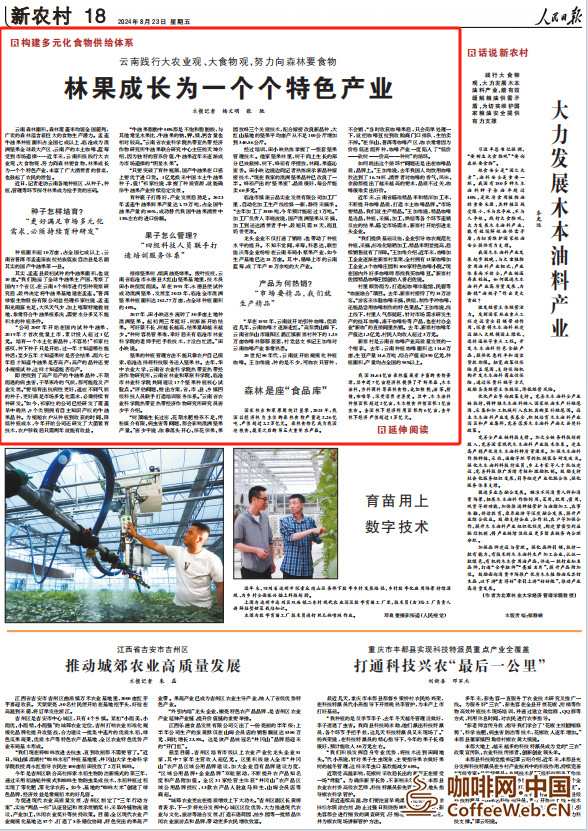
云南森林面积、森林覆盖率均居全国前列,广袤的森林蕴含着巨大的食物生产潜力。孟连牛油果种植面积占全国七成以上,临沧成为澳洲坚果全球最大产区,云南产的本土咖啡、蓝莓受到市场追捧……近年来,云南积极践行大农业观、大食物观,努力向森林要食物,林果成长为一个个特色产业,丰富了广大消费者的餐桌,也鼓起了农民的腰包。
近日,记者走访云南各地种植区,从种子、种植、管理等环节探寻林果成为抢手货的密码。
种子怎样培育?
“更好满足市场多元化需求,必须持续育种研发”
种植面积超10万亩,占全国七成以上,云南省普洱市孟连傣族拉祜族佤族自治县是名副其实的国产牛油果第一县。
其实,孟连县最初试种的牛油果面积,也就10亩。“我们跑遍了全球牛油果主产国,考察了国内7个省区,在云南8个州市进行引种观察研究后,最终决定将牛油果基地建在孟连。”普洱绿银生物股份有限公司总经理祁家柱说,孟连阳光雨露充足、大风天气少,加上喀斯特地貌坡地,非常符合牛油果根系浅、需要水分多又不能积水的种植条件。
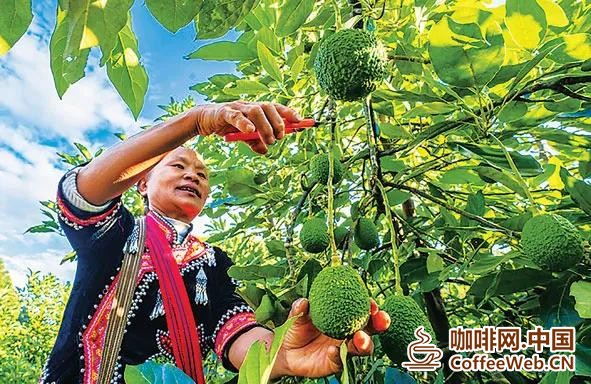 孟连农户在采摘牛油果。新华社记者 江文耀 摄
“公司2007年开始在国内试种牛油果,2019年才首次批量上市,累计投入超过1亿元。培育一个本土化新品种,不容易!”祁家柱感叹,种下种子只是开始,过一年才知道哪些能种活;至少五年才知道果树是否会结果,而六七年后才知道牛油果是否高产;高产的品种还要小规模试种,这样才知道能否稳产。
即便找到了高产稳产的牛油果品种,不期而遇的病虫害、干旱寒冷的气候,都可能危及产业发展。“要培育出抗病性更好、适应不同气候的种子,更好满足市场多元化需求,必须持续育种研发。”如今,祁家柱的公司已经研发了覆盖早中晚熟、9个类别拥有自主知识产权的牛油果品种。为缩短农户从种植到收获的时间、降低种植成本,今年开始公司还研发了大苗繁育技术,农户移栽后只需两年就能有收益。
“牛油果脂肪中80%都是不饱和脂肪酸,与其他常见水果比,牛油果的钠、钾、镁、钙含量也相对较高。”云南省农业科学院热带亚热带经济作物研究所牛油果联合研究中心主任杨天坤介绍,因为独特的营养价值,牛油果近年来逐渐成为市场追捧的“明星水果”。
“只要突破了育种瓶颈,国产牛油果在口感上要优于进口货。1亿元换来中国本土牛油果种子,值!”祁家柱说,掌握了种质资源,就能确保牛油果产业持续稳定发展。
育种底子打得好,产业发展后劲足。2023年孟连牛油果鲜果产量达1.73万吨,占全国牛油果产量的80%,成功替代我国牛油果消费中15%左右的进口份额。
果子怎么管理?
“四级科技人员联手打造培训服务体系”
排排坚果树,缀满油亮绿果。拨叶抚枝,云南省临沧市永德县大红山坚果基地里,技术员田小映侃侃而谈。早在1991年,永德县便试种成功澳洲坚果,发展至2023年,临沧全市澳洲坚果种植面积达262.77万亩,占全球种植面积的40%。
2017年,田小映返乡流转了30多亩土地种澳洲坚果。起初两三年挺好,树渐渐开始结果。可好景不长,树越长越高,结果量却越来越少。“种树容易管果难,幸好后来有临沧市林业科学院的老师手把手教技术,才没白忙活。”田小映说。
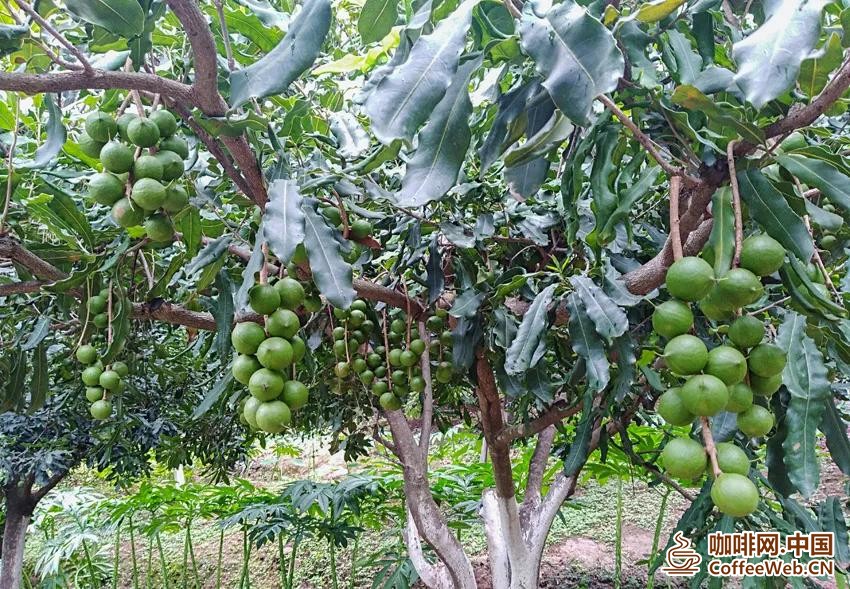 临沧种植的澳洲坚果 临沧市委宣传部 供图
坚果的种植管理方法不能只靠农户自己摸索,临沧选择将科技服务送入坚果林。去年,华中农业大学、云南省农业科学院热带亚热带经济作物研究所、云南省林业和草原科学院、临沧市林业科学院共同建设17个坚果种植核心试验点。“评估问题、给出方案,省、市、县、乡镇四级科技人员联手打造培训服务体系。”云南省农业科学院热带亚热带经济作物研究所研究员唐少平介绍。
“树顶端生长过密、花期水肥给养不足、传粉媒介有限、病虫害等问题,都会影响澳洲坚果产量。”唐少平说,依靠落头开心、保花保果、果园放蜂三个关键技术,配合嫁接改良新品种,大红山基地的坚果平均亩产从不足100公斤增加到340.56公斤。
经过培训,田小映熟练掌握了一整套坚果管理技术。他家坚果林里,树干向上生长的部分已被截掉,树下,蜂箱有序摆放,林间,果盛沁蜜香。田小映边说边向记者熟练演示新品种嫁接技术,“现在我家的澳洲坚果品种已改良了一半。蜂箱产出的‘坚果蜜’,品质很好,每公斤能卖60多元。”
临沧市镇康云品实业发展有限公司加工厂里,自动化加工生产线检修一新,静待采摘季。“去年加工了3500吨,今年预计能超过1万吨。”加工厂负责人李晓波说,国产澳洲坚果从采摘、加工到送达消费者手中,最短只需15天,而且奶香更浓。
龙头企业不仅打通了销路,也带动了种植水平的提升。不知不觉间,卓莓、科思达、联想佳沃等企业纷纷在云南布局小浆果产业,如今生产基地已达25万亩。其中,错峰上市的云南蓝莓,成了年产10万余吨的大产业。
产品为何热销?
“市场要精品,我们就生产精品”
“早在1892年,云南就开始引种咖啡,但最近几年,云南咖啡才逐渐走红。”高黎贡山脚下,云南省保山市隆阳区潞江镇新寨村种下的1.38万亩咖啡林郁郁葱葱,村党总支书记王加维对云南咖啡产业非常熟悉。
20世纪80年代,云南就开始规模化种植咖啡。王加维说,种的是不少,可咖农只管种,不会销,“当时收获咖啡果后,只会简单处理一下,就把咖啡豆拉到收购商门口排队,生怕卖不掉。”在保山、普洱等咖啡产区,咖农常常因为价格低迷而弃种,咖啡产业一度陷入了“低价——砍树——价高——种树”的循环。
如何跳出这个循环?“问题还是出在咖啡品质、品牌上。”王加维说,去年我国人均饮用咖啡数达到了16.74杯,消费者对咖啡的香气、风味、余韵都提出了越来越高的要求,品质不过关,咖啡很难卖出好价。
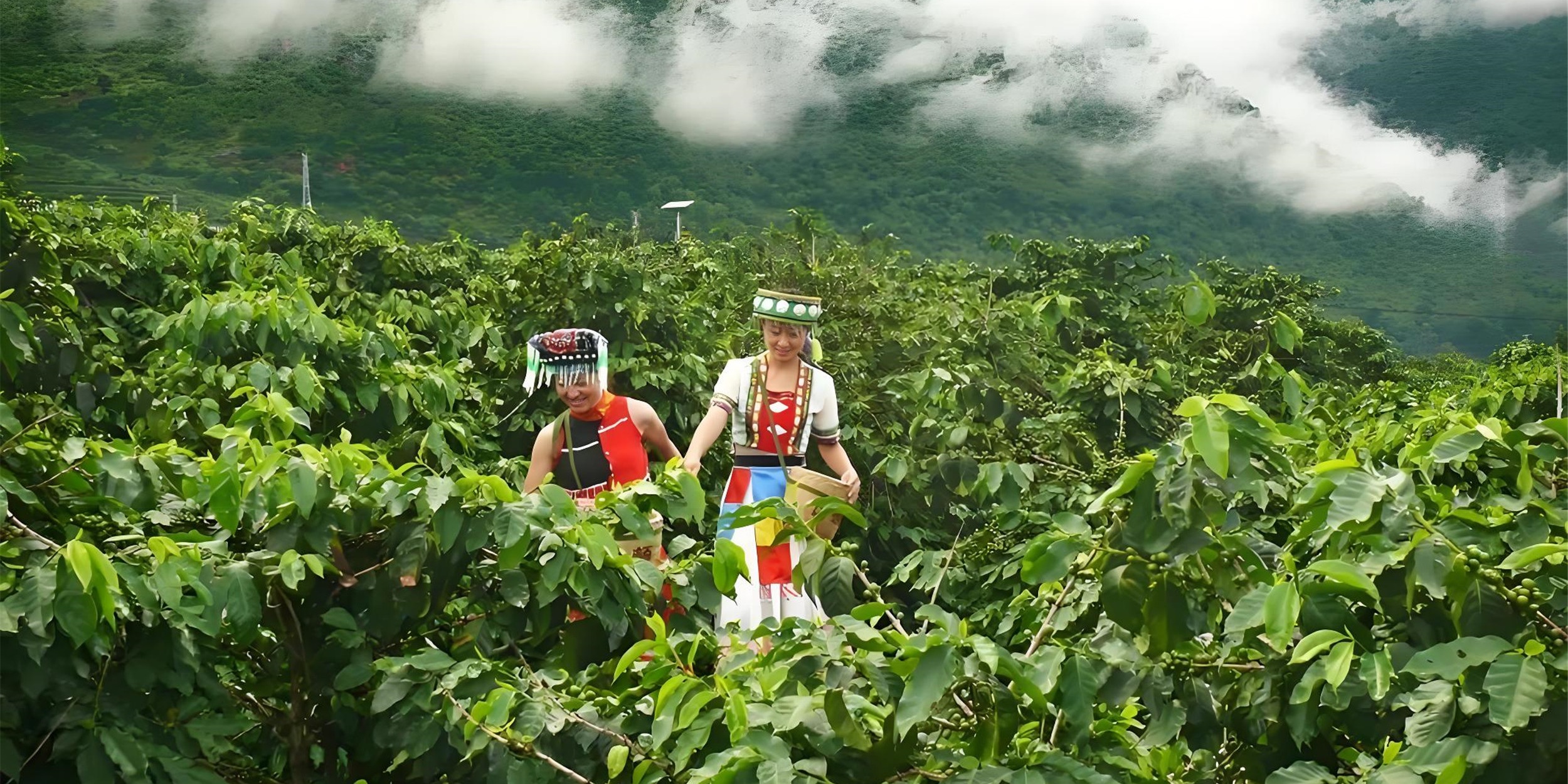
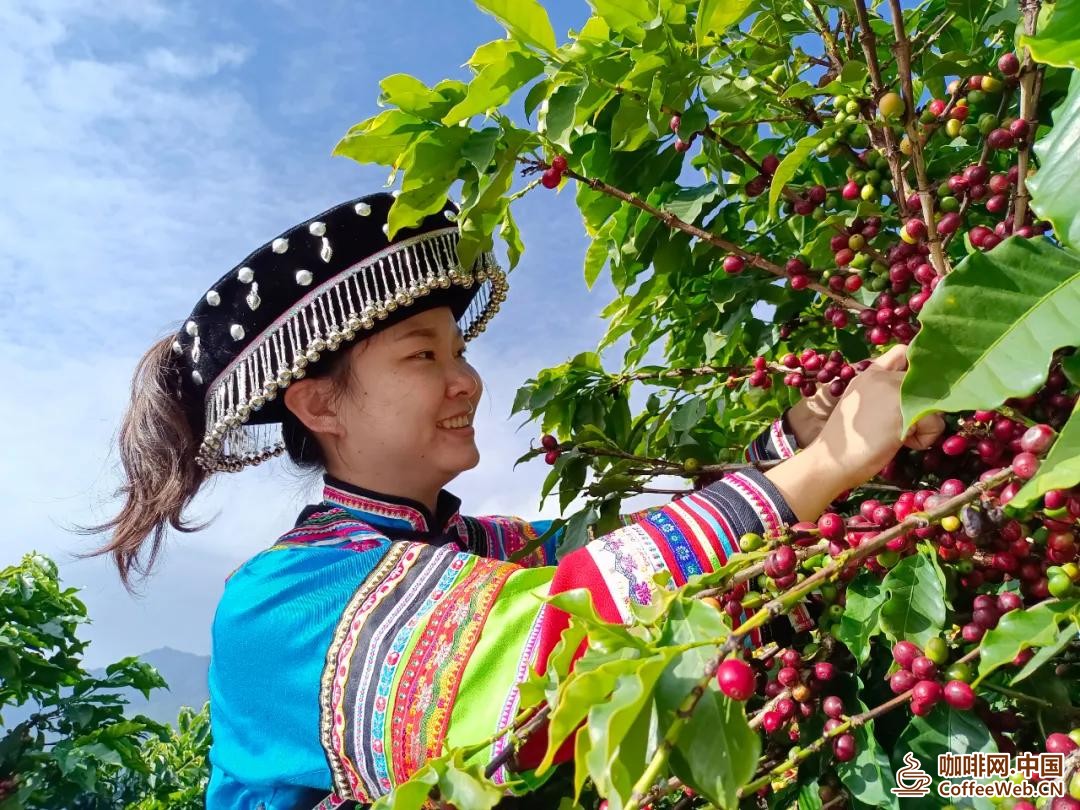 咖农正在采摘成熟的咖啡果 邱桂芳 摄
近年来,云南省瞄准精品率和精深加工率,不断提升咖啡品质,打造本土咖啡品牌。“市场要精品,我们就生产精品。”王加维说,精品咖啡是选品、种植、采摘、加工、烘焙等各个环节连锁反应的结果,瞄定市场需求,新寨村开始引进龙头企业。
“我们提供基础设施,企业引导咖农规范化种植、采摘、标准化晾晒加工,精品率明显提高,后续销售就有了保障。”王加维介绍,近年来,咖啡加工企业逐渐在新寨村集聚,全村拥有13家咖啡加工企业、5个咖啡庄园和100家特色咖啡小院。“现在国内外好多咖啡师都找我买咖啡豆。”新寨村佐园精品咖啡庄园创始人番启佐说。
村里顺势而为,打造起咖啡体验馆、民宿等“咖旅融合”项目。去年,新寨村接待了约15万游客。“游客来体验咖啡采摘、烘焙,制作手冲咖啡,还能品尝用咖啡制作的特色菜品。”王加维说,线上线下,村里人气都挺旺,针对市场需求研发生产的挂耳咖啡、冻干咖啡粉等产品,也在村办企业“新咖”的直播间里热销。去年,新寨村咖啡年产值达1.3亿元,村民人均收入超过3万元。
新寨村是云南省咖啡产业高质量发展的一个缩影。去年,云南种植咖啡面积达114.6万亩,生豆产量14.6万吨,综合产值超590亿元,种植面积、产量均占全国的98%以上。
August 23rd
Article published in People's Daily
Strive to obtain food from the forest
Lin Guo has grown into distinctive industries
Yunnan ranks among the top in terms of forest area and forest coverage in the country, and its vast forests contain enormous potential for food production. Menglian avocado planting area accounts for more than 70% of the country's total, and Lincang has become the world's largest production area for Australian nuts. Local coffee and blueberries produced in Yunnan are highly sought after in the market... In recent years, Yunnan has actively practiced the concept of big agriculture and big food, striving to obtain food from forests. Forest fruits have grown into a unique industry, enriching the dining tables of consumers and enriching the wallets of farmers.
Recently, reporters visited various planting areas in Yunnan to explore the password behind the popularity of forest fruits in terms of seeds, planting, and management.
How to cultivate seeds?
To better meet the diversified needs of the market, continuous breeding and research and development are necessary
The planting area exceeds 100000 mu, accounting for over 70% of the national total. Menglian Dai, Lahu, and Va Autonomous County in Pu'er City, Yunnan Province is truly the number one county for domestically produced avocados.
In fact, the initial area of avocado cultivation in Menglian County was only 10 acres. We have traveled to major avocado producing countries around the world, inspected 7 provinces and regions in China, and conducted introduction observation and research in 8 provinces and cities in Yunnan. Finally, we decided to build the avocado base in Menglian, "said Qi Jiazhu, the general manager of Pu'er Green Silver Biotechnology Co., Ltd. Menglian has abundant sunshine and rain, less windy weather, and karst terrain slopes, which is very suitable for the planting conditions of shallow avocado roots, high water requirements, and no waterlogging.
Menglian farmers are picking avocados. Xinhua News Agency reporter Jiang Wenyao photographed farmers in Menglian picking avocados. Photo by Jiang Wenyao, Xinhua News Agency reporter
The company started trial planting avocados in China in 2007 and only went public for the first time in 2019, with a total investment of over 100 million yuan. Cultivating a localized new variety is not easy! "Qi Jiazhu sighed. Planting seeds is just the beginning, and it will be a year before we know which ones can survive; It takes at least five years to know if fruit trees will bear fruit, and six or seven years to know if avocados are high-yielding; High yielding varieties need to be tested on a small scale to determine if they can maintain stable production.
Even if high-yield and stable avocado varieties are found, unexpected pests and diseases, as well as dry and cold climates, may endanger the development of the industry. To cultivate seeds with better disease resistance and adaptability to different climates, and better meet the diversified needs of the market, continuous breeding and research and development are necessary. Now, Qi Jiazhu's company has developed avocado varieties covering early, mid, and late ripening, with 9 categories of independent intellectual property rights. In order to shorten the time from planting to harvesting for farmers and reduce planting costs, the company has also developed large seedling breeding technology since the beginning of this year. Farmers can earn profits in just two years after transplanting.
80% of the fat in avocados is unsaturated fatty acids, and compared to other common fruits, avocados have relatively high levels of sodium, potassium, magnesium, and calcium. Yang Tiankun, director of the Joint Research Center for Avocados at the Tropical and Subtropical Economic Crop Research Institute of Yunnan Academy of Agricultural Sciences, said that due to its unique nutritional value, avocados have gradually become a "star fruit" sought after in the market in recent years.
As long as the breeding bottleneck is overcome, domestic avocados will have a better taste than imported ones. One hundred million yuan in exchange for Chinese domestic avocado seeds is worth it! "Qi Jiazhu said. Mastering germplasm resources can ensure the sustained and stable development of the avocado industry.
A solid foundation in breeding is established, and the industry has strong potential for development. In 2023, the fresh avocado production in Menglian will reach 17300 tons, accounting for 80% of the national avocado production, successfully replacing about 15% of China's avocado consumption in imports.
How to manage fruits?
Fourth level technology personnel collaborate to create a training service system
Arrange rows of sturdy fruit trees, adorned with shiny green fruits. Picking leaves and caressing branches, technician Tian Xiaoying talks confidently at the Dahongshan Nut Base in Yongde County, Lincang City, Yunnan Province. As early as 1991, Yongde County successfully planted Australian nuts, and by 2023, the planting area of Australian nuts in Lincang City had reached 2.6277 million mu, accounting for 40% of the global planting area.
In 2017, Tian Xiaoying returned home and transferred over 30 acres of land to plant Australian nuts. The first two or three years were good, and the trees gradually began to bear fruit. The good times don't last long, the trees grow taller and taller, but the yield of fruits decreases. Planting trees is easy but managing fruits is difficult. Fortunately, later on, teachers from Lincang Academy of Forestry taught the techniques step by step, so we didn't waste our time, "said Tian Xiaoying.
Australian nuts planted in Lincang, provided by the Propaganda Department of Lincang Municipal Committee. Australian nuts planted in Lincang, provided by the Propaganda Department of Lincang Municipal Committee
The cultivation and management methods of nuts cannot rely solely on farmers' own exploration. Lincang has chosen to bring technological services into the hard fruit forest. Last year, Huazhong Agricultural University, Tropical and Subtropical Crop Research Institute of Yunnan Academy of Agricultural Sciences, Yunnan Academy of Forestry and Grassland Sciences, and Lincang Academy of Forestry jointly established 17 core experimental sites for nut cultivation. Evaluate problems, provide solutions, and jointly create a training service system among scientific and technological personnel at the provincial, municipal, county, and township levels, "said Tang Shaoping, a researcher at the Tropical and Subtropical Economic Crop Research Institute of Yunnan Academy of Agricultural Sciences.
Excessive growth at the top of trees, insufficient water and fertilizer supply during the flowering period, limited pollinators, and pests and diseases can all affect the yield of Australian nuts, "said Tang Shaoping. With the three key technologies of" falling head happy "," protecting flowers and fruits ", and" planting bees in orchards ", combined with grafting to improve new varieties, the average yield of nuts per mu in Dahongshan base has increased from less than 100 kilograms to 340.56 kilograms.
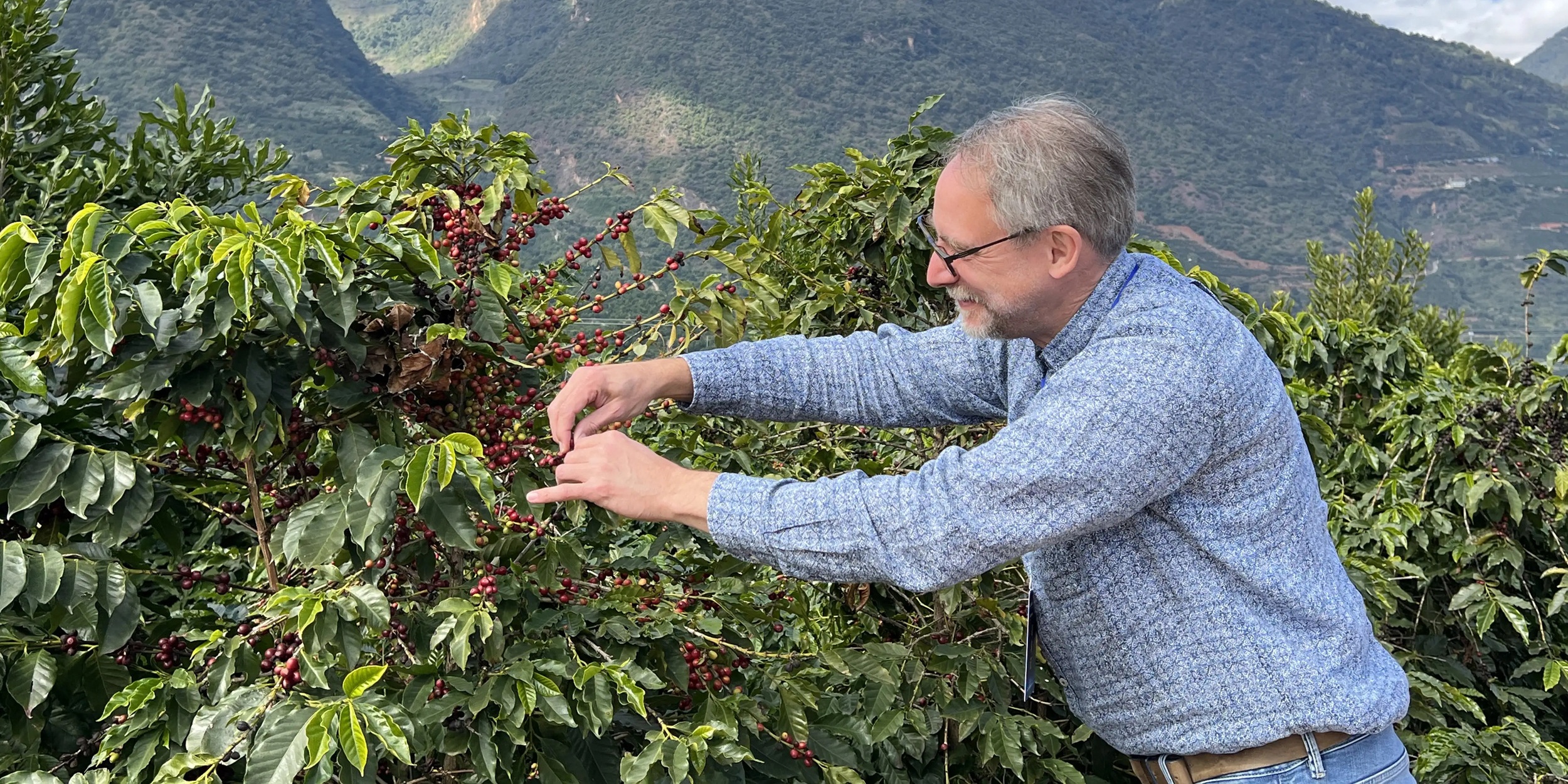
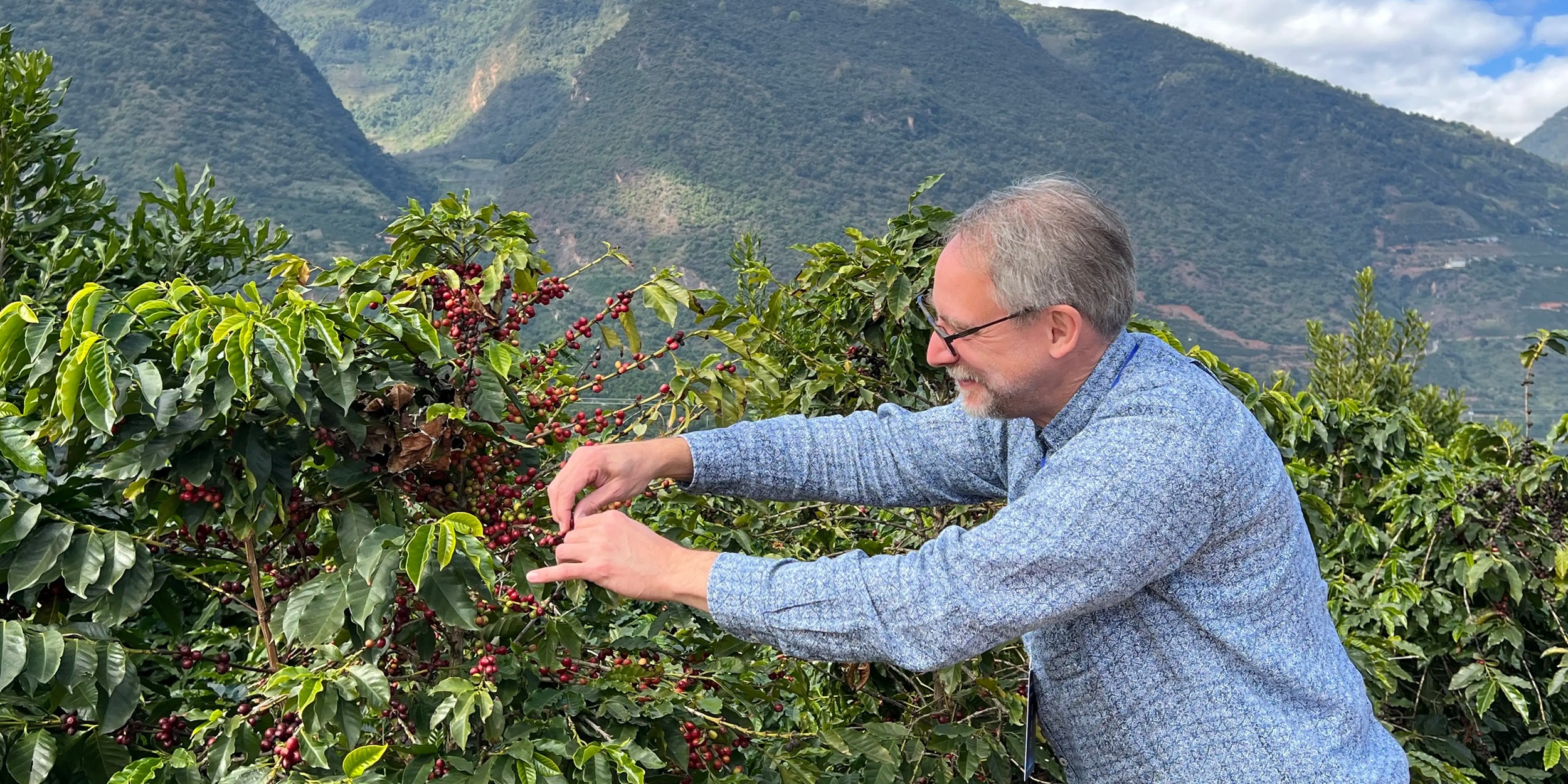
After training, Tian Xiaoying has proficiently mastered a complete set of nut management techniques. In his nut forest, the upward growing part of the trunk has been cut off, and beehives are arranged in an orderly manner under the tree. In the forest, the fruits are abundant and fragrant. As Tian Xiaoying spoke, she skillfully demonstrated the grafting technology of a new variety to the reporter. "Now my family's Australian nut variety has been improved by half. The 'nut honey' produced by the beehive is of good quality and can be sold for more than 60 yuan per kilogram
In the processing plant of Kangyunpin Industrial Development Co., Ltd. in Lincang City, the automated processing production line has been repaired and is waiting for the picking season. Last year, 3500 tons were processed, and this year it is expected to exceed 10000 tons, "said Li Xiaobo, the person in charge of the processing plant. Domestic Australian nuts can be harvested, processed, and delivered to consumers in as little as 15 days, with a stronger milk aroma.
Leading enterprises have not only opened up sales channels, but also driven the improvement of planting levels. Unconsciously, companies such as Zhuobei, Kosida, and Lenovo Jiawo have successively established small berry industries in Yunnan, with production bases now covering 250000 acres. Among them, Yunnan blueberries, which are listed at off peak times, have become a major industry with an annual output of over 100000 tons.
Why is the product selling well?
If the market wants high-quality products, we produce them
As early as 1892, Yunnan began to introduce coffee, but in recent years, Yunnan coffee has gradually become popular. At the foot of Gaoligong Mountain, there are 13800 acres of lush coffee forests planted in Xinzhai Village, Lujiang Town, Longyang District, Baoshan City, Yunnan Province. Wang Jiawei, the secretary of the village party branch, is very familiar with Yunnan's coffee industry.
In the 1980s, Yunnan began to cultivate coffee on a large scale. Wang Jiawei said that there are many varieties planted, but coffee farmers only focus on planting and do not sell them. "At that time, after harvesting coffee fruits, they would only handle them briefly and queue up at the entrance of the purchasing merchants, afraid that they would not sell them." In coffee producing areas such as Baoshan and Pu'er, coffee farmers often abandoned planting due to low prices, and the coffee industry was once trapped in a cycle of "low price - cutting trees - high price - planting trees".
How to break out of this cycle? The problem still lies in the quality and brand of coffee, "said Wang Jiawei. Last year, the per capita consumption of coffee in China reached 16.74 cups, and consumers have increasingly high requirements for the aroma, flavor, and aftertaste of coffee. If the quality is not up to standard, it is difficult for coffee to sell at a good price.
Coffee farmers are picking ripe coffee fruits. Photo by Qiu Guifang. Coffee farmers are picking ripe coffee fruits. Photo by Qiu Guifang
In recent years, Yunnan Province has focused on improving the quality of coffee and establishing local coffee brands by targeting the rate of high-quality products and deep processing. When the market wants high-quality products, we produce them, "said Wang Jiawei. Premium coffee is the result of a chain reaction of various links such as product selection, planting, picking, processing, and baking. Targeting market demand, Xinzhai Village began to introduce leading enterprises.
We provide infrastructure, and enterprises guide coffee farmers to standardize planting, picking, and drying processing. The rate of high-quality products has significantly increased, and subsequent sales have been guaranteed, "said Wang Jiawei. In recent years, coffee processing enterprises have gradually gathered in Xinzhai Village, which has 13 coffee processing enterprises, 5 coffee plantations, and 100 specialty coffee shops. Nowadays, many baristas at home and abroad come to me to buy coffee beans, "said Fan Qizuo, founder of the boutique coffee plantation in Zuoyuan, Xinzhai Village.
The village has taken advantage of the situation and created "coffee tourism integration" projects such as coffee experience cafes and homestays. Last year, Xinzhai Village received about 150000 tourists. Tourists come to experience coffee picking, roasting, making handmade coffee, and tasting specialty dishes made with coffee, "said Wang Jiawei. Both online and offline, the village is very popular, and products such as hanging ear coffee and freeze-dried coffee powder developed and produced for market demand are also selling well in the live broadcast room of the village run enterprise" New Coffee ". Last year, the annual output value of coffee in Xinzhai Village reached 130 million yuan, and the per capita income of villagers exceeded 30000 yuan.
Xinzhai Village is a microcosm of the high-quality development of the coffee industry in Yunnan Province. Last year, the coffee planting area in Yunnan reached 1.146 million mu, with a green bean production of 146000 tons and a comprehensive output value exceeding 59 billion yuan. Both the planting area and output accounted for over 98% of the country's total.