
被严重低估的“护肝饮料”!研究:每天1~2杯,多种肝病风险大大降低The severely underestimated 'liver protecting drink'! Research: Drinking 1-2 cups per day significantly reduces the risk of various liver diseases
最近,多项权威研究却得出了一个令人意外的发现:咖啡的好处远不止提神,适量饮用还能降低多种肝病风险,堪称“护肝饮料”。

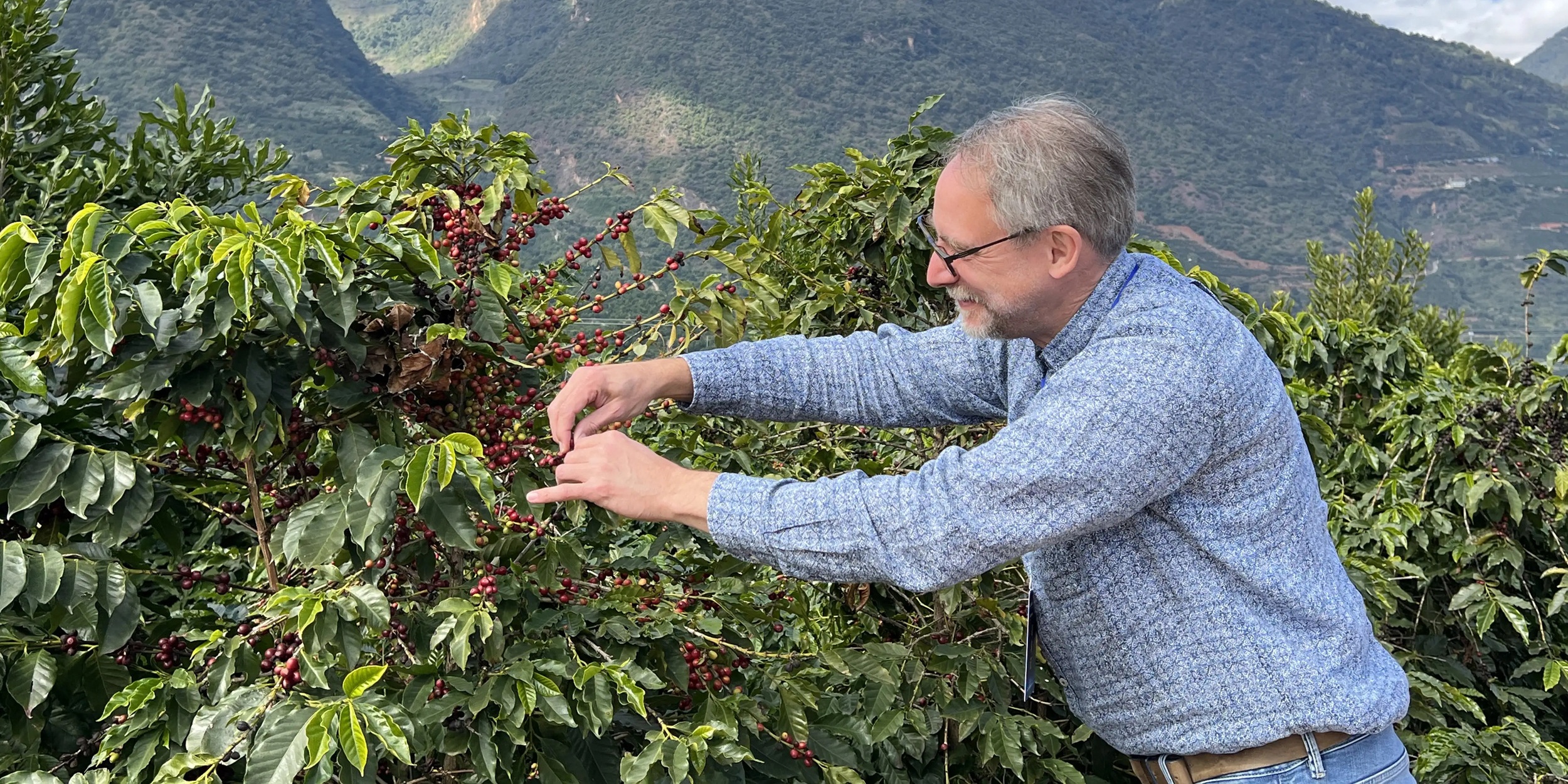
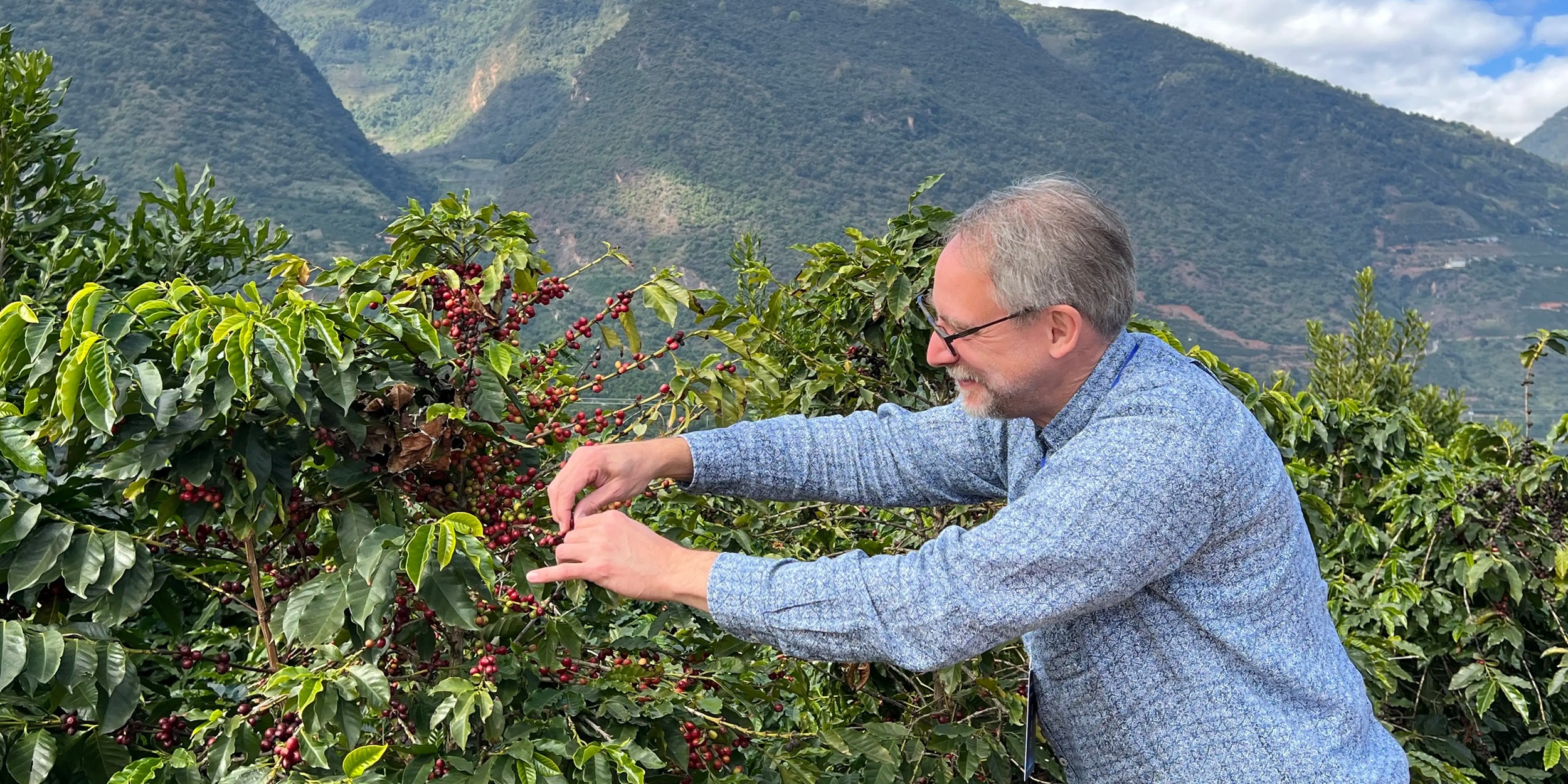
AI生成图
研究截图
人民日报健康客户端图 曹子豪摄

人民日报健康客户端图 任璇摄
In daily life, many people love coffee, enjoying its rich aroma and the clarity of mind it brings. But most people's understanding of coffee still stays at the level of refreshing, and they know very little about its other benefits.
Recently, multiple authoritative studies have made a surprising discovery: the benefits of coffee go far beyond just refreshing, moderate consumption can also reduce the risk of various liver diseases, making it a "liver protecting drink".
AI-generated images
Research shows:
Coffee can help you reduce the risk of various liver diseases
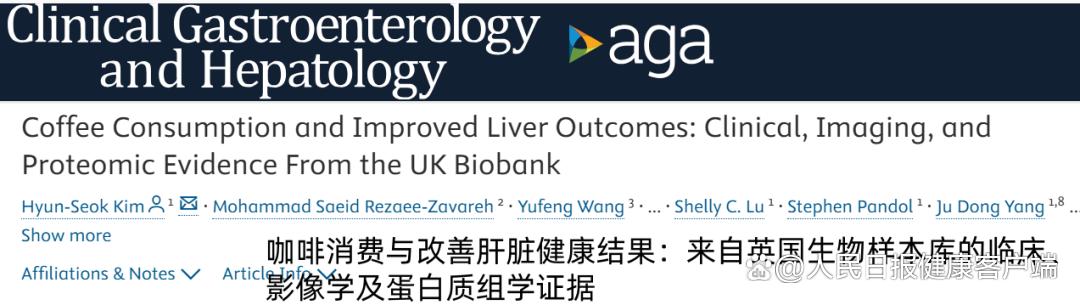
In July 2026, the international authoritative journal Clinical Gastroenterology and Hepatology published a study covering over 350000 participants. At the beginning of the study, none of these individuals had cirrhosis or liver cancer. After a median follow-up of 13 years, the results were surprising: moderate coffee consumption can significantly reduce the risk of various liver diseases! ①
Research screenshot
Research has found that people who drink 1-2 cups of coffee per day, compared to those who do not drink coffee at all:
·20% reduction in risk of liver cirrhosis
·24% reduction in liver cancer risk
·Liver disease related mortality risk reduced by 31% ①
In fact, this is not the first time that coffee has been found to have a liver protective effect. In 2021, the BMC Public Health journal published a large-scale study involving nearly 500000 people followed up for 10 years, which found that moderate coffee consumption has a liver protective effect. Compared to people who don't drink coffee, those who drink coffee in moderation:
·The risk of chronic liver disease is reduced by 21%;
·20% reduction in risk of non-alcoholic fatty liver disease
·The risk of death related to chronic liver disease has significantly decreased by 49%
Why can drinking coffee protect the liver?
The key lies in this' one rise, one fall '
In July 2026, a study in Clinical Gastroenterology and Hepatology analyzed plasma proteomic data from 44000 individuals and identified 74 proteins that are closely associated with both coffee intake and liver cirrhosis risk, depicting a molecular landscape of coffee liver protection - a "two-way force".
More "good protein": The more coffee you drink, the higher the level of "good protein" that reflects liver synthesis function and regulates complement inflammation. These proteins are abundant, which means that the liver's synthesis ability and antioxidant defense system are maintained in a better state.
↓ Fewer "bad proteins": At the same time, those "bad proteins" related to liver fibrosis and inflammation activation will significantly decrease with increasing coffee intake.
Summary in one sentence: Coffee "reinforces" the normal function of the liver while "suppressing" the damage pathways of inflammation and fibrosis, with layered protective effects.
What's even more interesting is that research has found that caffeinated coffee and decaffeinated coffee have very similar liver protective effects. This indicates that caffeine is not the only liver protector. Researchers speculate that the abundant non caffeine components in coffee are equally important, such as chlorogenic acid, polyphenols, and diterpenes, all of which are natural antioxidants and anti-inflammatory "masters". ①
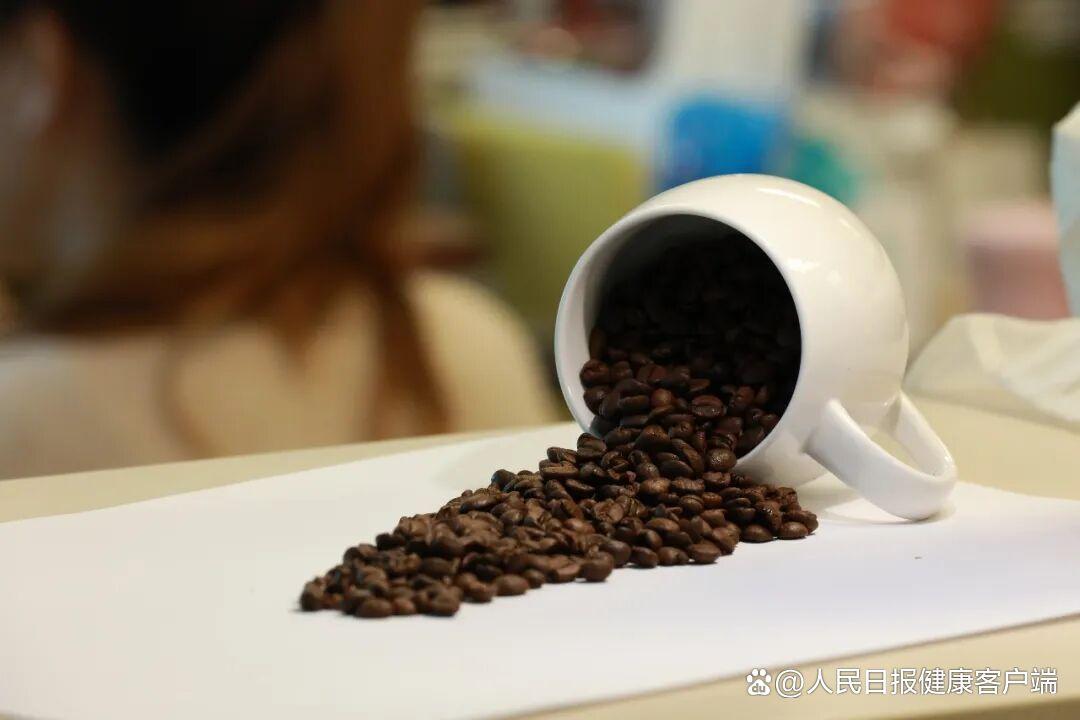
Photo by Cao Zihao on the People's Daily Health App
Although coffee is good,
But don't exceed this amount every day
Seeing the data earlier, some people may wonder: Since the more you drink, the better the liver protection effect, can you increase the dosage without limit?
Of course not! In daily life, drinking without limits can actually bring risks.
In July 2026, the American Heart Association published a scientific statement in the journal Circulation, comprehensively evaluating the relationship between caffeine and cardiovascular disease. The statement clearly states that for most adults, a daily intake of no more than 400 milligrams of caffeine is safe, equivalent to approximately 3-5 cups (240 milliliters per cup) of regular black coffee. In this range, moderate coffee consumption is even associated with lower risks of coronary heart disease, heart failure, atrial fibrillation, stroke and type 2 diabetes. But once exceeded, the safety hazards of the cardiovascular system will significantly increase. ③
So, although coffee is good, it must be consumed in moderation, as excessive intake may no longer provide health benefits.
Drinking coffee healthily, pay attention to these 4 points
✅ ️ 1. Choose the right type of coffee
Avoid adding high-energy coffee companion ingredients such as sugar and creamer, and it is best to choose black coffee. If you feel that black coffee has a bad taste, you can add some milk, which not only has a sweet and smooth taste, but also supplements protein and calcium.
Photo by Ren Xuan on the People's Daily Health App
✅ ️ 2. Try not to drink coffee on an empty stomach
Jiang Shan, a nutritionist from the Department of Nutrition at Beijing Luhe Hospital, once wrote in the Health Times that many people now have the habit of drinking a cup of coffee on an empty stomach when they wake up early in the morning. This not only reduces appetite, but also stimulates the digestive system. It is recommended to drink coffee after breakfast or lunch, as it can help with digestion. ④
✅ ️ 3. Take advantage of your coffee drinking time
Gu Chuanling, a nutritionist, warned in an article published on her personal official account that the half-life of caffeine is about 4-6 hours. If a cup of caffeine contains 200 mg at 15:00, the caffeine content in the blood will still be as high as 100 mg at 19:00~21:00 ⑤. Drinking coffee before a nap does not affect sleep at night and has a better refreshing effect.
✅ ️ 4. Don't drink on an empty stomach if your stomach is not good
People with poor stomach, especially those with underlying diseases such as chronic gastritis and gastroesophageal reflux, are advised not to drink coffee on an empty stomach.
This article is based on:
① HYUN-SEOK KIM. Coffee Consumption and Improved Liver Outcomes: Clinical, Imaging, and Proteomic Evidence From the UK Biobank.[J]. Clinical Gastroenterology and Hepatology, 2026. DOI:10.1016/j.cgh.2026.04.035.
② Kennedy OJ, Fallowfield JA, Poole R, Hayes PC, Parkes J, Roderick PJ. All coffee types decrease the risk of adverse clinical outcomes in chronic liver disease: a UK Biobank study. BMC Public Health. 2021; 21(1):970. Published 2021 Jun 22.
③ Marcus GM, Hu FB, van Dam RM, et al. Caffeine and Cardiovascular Disease: A Scientific Statement From the American Heart Association. Circulation. Published online July 20, 2026. doi:10.1161/CIR.0000000000001454
④ 2019-11-12 Health Times "Five Taboos for Drinking Coffee"
⑤ May 31, 2023 Nutritionist Gu Chuanling's "What Will Happen 20 Years After Drinking Coffee Every Day