
爱喝咖啡的人注意了:这5个咖啡的“副作用”,一定要知道!Coffee lovers should be aware of these 5 "side effects" of coffee!
不过,经常爱喝咖啡的人注意了:除了提神,这5个咖啡的“副作用”也一定要知道!

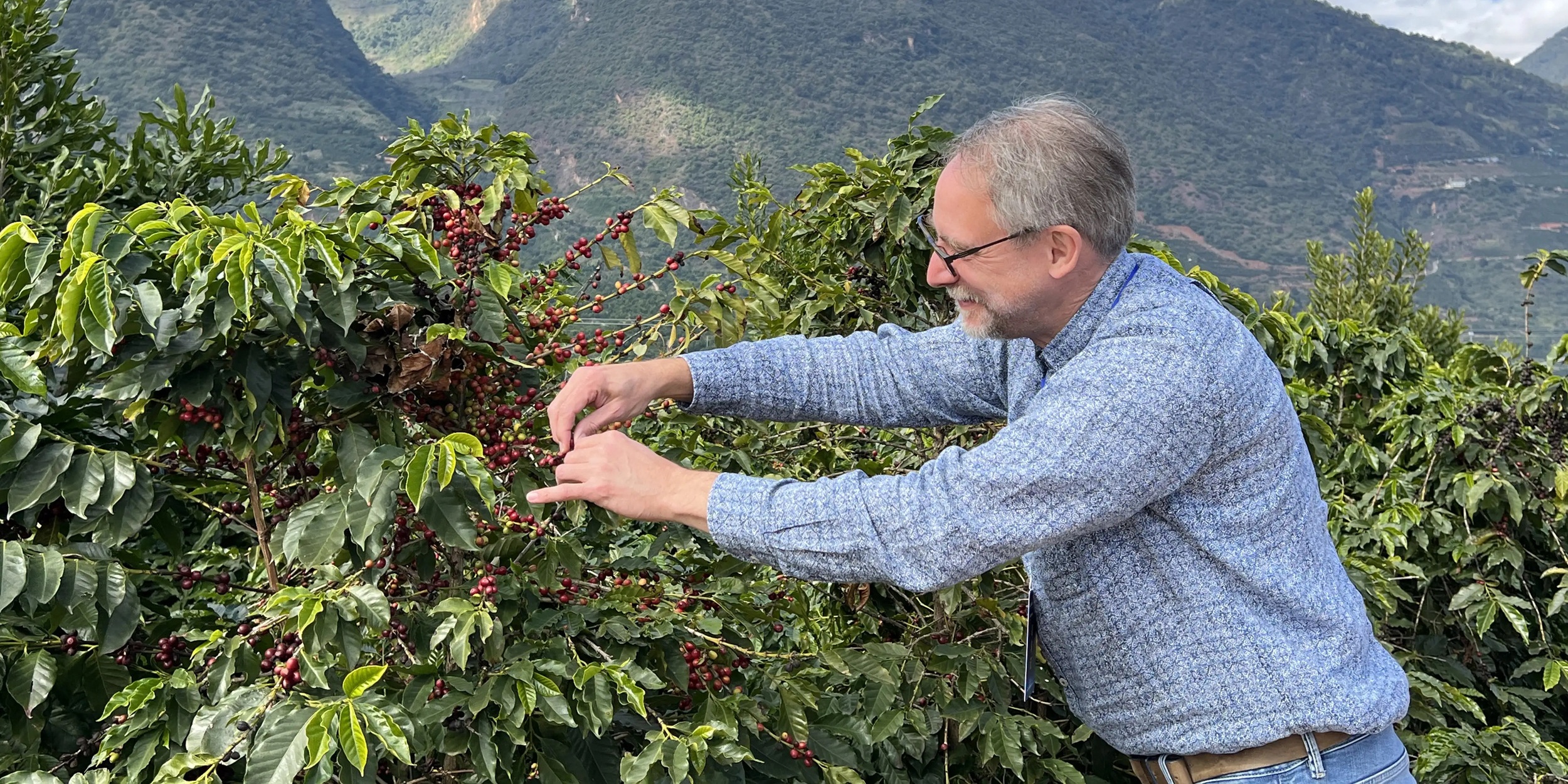
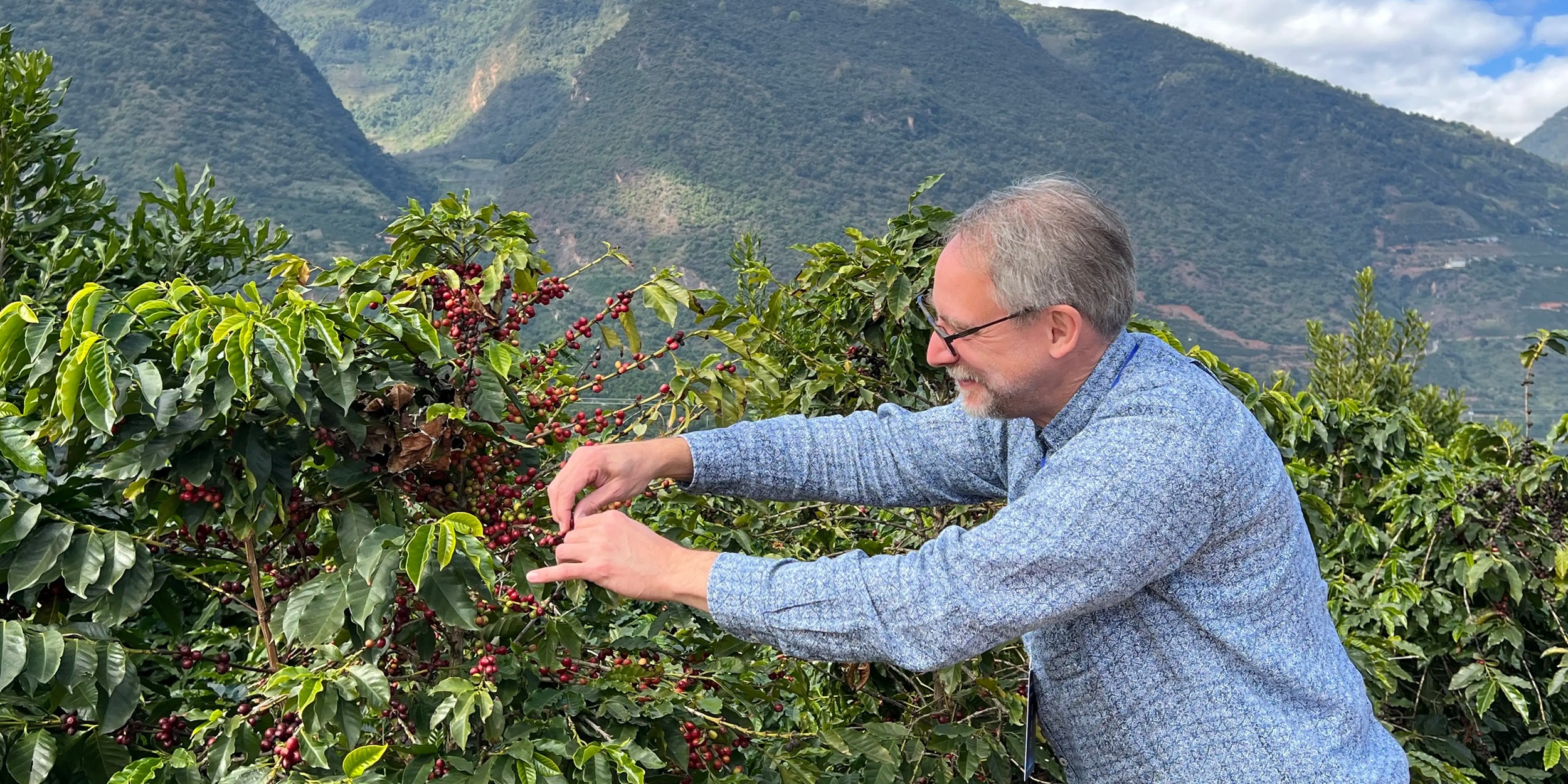
健康时报王楠 摄
2024年,北京协和医学院的研究人员在《美容皮肤病学杂志》发表的一项研究发现:经常喝咖啡的人,能有效降低面部皮肤衰老风险。①

研究截图
换句话说,经常饮用咖啡的人其面部皮肤衰老的风险更低、看起来会更年轻。2024年12月,中国中医科学院、中国农业大学的研究人员在《细胞衰老》上发表的一项研究显示:咖啡中的绿原酸可以显著抑制紫外线诱导的皮肤细胞衰老,并降低炎症水平,显著改善了皮肤皱纹,减轻皮肤病理特征,以及抑制衰老特征。②

健康时报曹子豪 摄
经常喝咖啡的人,肠道菌群大变样!2024年哈佛大学的研究人员在《自然·微生物学》期刊上发表的一项数万人研究发现:经常喝咖啡能改变肠道菌群。与从不喝咖啡的人(每月喝咖啡不足3杯)相比,每天喝3杯咖啡的人,其肠道中有益菌(L.asaccharolyticus)的水平高出4.5-8倍!③
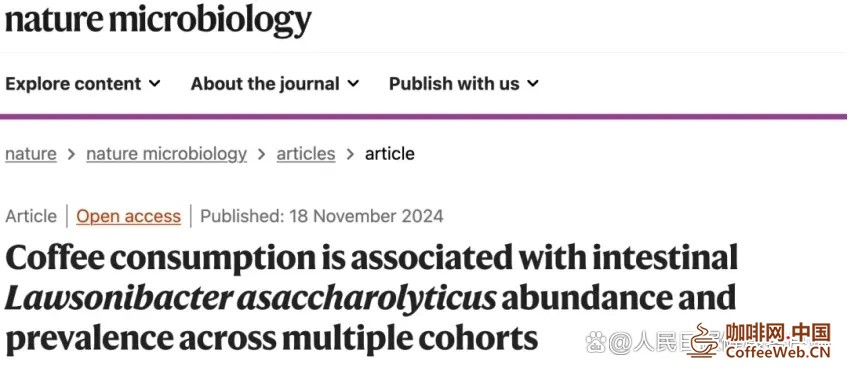
研究截图
2025年1月,哈佛大学研究人员在《美国临床营养学杂志》上发表的一篇研究显示:每天多喝1杯咖啡(约240毫升),可以降低10%的2型糖尿病风险,而在咖啡中添加糖、人工甜味剂,会让这一作用大打折扣。④
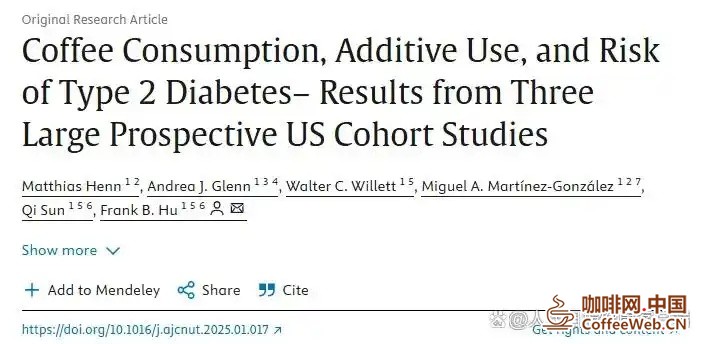
研究截图
所以,日常有喝咖啡的习惯的人,尽量不要加糖、糖浆,以及一些人工代糖、0卡糖等。

健康时报图
多酚类化合物具有抗氧化、抗炎等功效,有助于保护身体的细胞免受自由基的损伤,进而维护身体各个器官的正常功能,尤其是心血管系统。

拿铁咖啡,王楠 摄
2025年1月,广州医科大学公共卫生学院的研究人员在《营养学期刊》发表的一项研究显示:适量喝咖啡,可显著降低慢性肝病和肝脏相关的疾病风险。不过,如果在咖啡中添加了糖、人工甜味剂,则会增加慢性肝病和肝脏相关事件风险。⑥

研究截图
In daily life and work, many people love to drink coffee, and even have a cup every day during work. Coffee not only has a strong aroma, but also can refresh oneself, which is the main reason why many people choose to drink coffee.
However, people who often love to drink coffee should pay attention: in addition to refreshing themselves, these 5 "side effects" of coffee must also be known!
Photo by Wang Nan, Health Times
Side effects of coffee:
Anti aging, reducing facial skin aging
What are the "side effects" of coffee besides refreshing? Currently, coffee has anti-aging effects and reducing facial skin aging, which is one of the most concerning effects for many people.
In 2024, researchers from Peking Union Medical College published a study in the Journal of Cosmetic Dermatology, which found that people who regularly drink coffee can effectively reduce the risk of facial skin aging. ①
Research screenshot
The study included over 16000 participants, mostly aged between 45-65, to collect data on facial skin aging. And analyzed the causal relationship between four types of beverages, namely tea, coffee, alcoholic beverages, and sugary drinks, and facial skin aging.
Ultimately, it was found that among the four beverages, only coffee could effectively reduce the risk of facial skin aging, with regular coffee consumption reducing the probability of facial aging by 15%. The other three beverages did not show a clear association with facial skin aging. ①
In other words, people who regularly drink coffee have a lower risk of facial skin aging and appear younger. In December 2024, researchers from the Chinese Academy of Traditional Chinese Medicine and China Agricultural University published a study in Cell Aging, which showed that chlorogenic acid in coffee can significantly inhibit UV induced skin cell aging, reduce inflammation levels, significantly improve skin wrinkles, alleviate skin pathological features, and inhibit aging features. ②
Photo by Cao Zihao from Health Times
Coffee "Side Effects" 2:
Protect the intestines and improve beneficial gut microbiota
People who frequently drink coffee have a significant change in their gut microbiota! A study involving tens of thousands of people published by Harvard University researchers in the journal Nature Microbiology in 2024 found that regular coffee consumption can alter gut microbiota. Compared to those who never drink coffee (drinking less than 3 cups of coffee per month), those who drink 3 cups of coffee per day have 4.5-8 times higher levels of beneficial bacteria (L.asaccharolyticus) in their intestines! ③
Research screenshot
In other words, people who frequently drink coffee have higher levels of beneficial gut bacteria such as L. asaccharolyticus. L. Asaccharolyticus is a beneficial gut bacterium that helps the intestine produce butyric acid, maintains intestinal barrier function, and helps prevent enteritis and colon cancer.
Coffee's "Side Effects" Three:
Sugar control: reduce the risk of diabetes
In January 2025, Harvard University researchers published a study in the American Journal of Clinical Nutrition, which showed that drinking an extra cup of coffee every day (about 240 ml) could reduce the risk of type 2 diabetes by 10%, while adding sugar and artificial sweeteners to coffee would greatly reduce this effect. ④
Research screenshot
Researchers said that chlorogenic acid, trigonelline, caffeine and phenolic compounds in coffee can inhibit the proinflammatory pathway related to the pathogenesis of diabetes. If sugar and artificial sweeteners are added to coffee, it will lead to weight gain, inflammation and increased risk of diabetes, which just offset the benefits of coffee.
So, people who have a habit of drinking coffee in their daily lives should try not to add sugar, syrup, artificial sweeteners, zero calorie sugar, etc.
Health Times Chart
Coffee's "Side Effects" Four:
Heart protection: more helpful in protecting the heart
A study published in the European Journal of Preventive Cardiology in 2022 found that drinking 0.5-3 cups of coffee per day was associated with a 12% decrease in all-cause mortality and a 17% decrease in cardiovascular disease mortality. ⑤
Research has shown that coffee contains various bioactive compounds, such as caffeine and polyphenolic compounds. Caffeine can stimulate the central nervous system, increase alertness and attention, and may also have a certain promoting effect on metabolism.
Polyphenolic compounds have antioxidant and anti-inflammatory effects, which help protect the body's cells from free radical damage and maintain the normal function of various organs, especially the cardiovascular system.
Latte coffee, photographed by Wang Nan
Coffee's "Side Effects" Five:
Protect the liver and reduce the risk of chronic liver disease
In addition to the "side effects" mentioned above, coffee also has certain advantages in protecting the liver, comparable to a "liver protector".
In January 2025, researchers from the School of Public Health at Guangzhou Medical University published a study in the Journal of Nutrition showing that moderate coffee consumption can significantly reduce the risk of chronic liver disease and liver related illnesses. However, adding sugar or artificial sweeteners to coffee can increase the risk of chronic liver disease and liver related events. ⑥
Research screenshot
The study included 170000 participants who initially had no liver disease or cancer. During the 12.4 year follow-up period, a total of 4152 people developed chronic liver disease.
The final analysis found that drinking one more cup of coffee per day (without any added sugar or artificial sweeteners) can significantly reduce the risk of chronic liver disease and liver related events, while adding sugar or artificial sweeteners can offset this benefit.
Photo by Ren Xuan from Health Times
Drinking coffee healthily, always remember these 3 points!
1. Do not add any sugar, syrup, or sugar substitutes
As confirmed by multiple studies above, the benefits of coffee in lowering blood sugar and protecting the liver are all pure black coffee, rather than coffee with added sugar, syrup, or artificial sugar substitutes. Many people drink coffee with various syrups and juices added, which are actually more like sweet drinks containing coffee. This' sweet beverage style coffee 'may actually offset the benefits brought by coffee.
2. It is best not to drink more than 5 cups of coffee per day
It is recommended not to drink more than 5 cups of coffee per day. The 2018 "Scientific Consensus on Coffee and Health" jointly released by the Institute of Nutrition and Health of the Chinese Center for Disease Control and Prevention suggests that for healthy adults, 3-5 cups per day are appropriate (standard coffee cup capacity is 120-140 milliliters), which means that the daily intake of caffeine should not exceed 210-400 milligrams.
3. Don't drink coffee too hot in daily life
Whether it's coffee or other hot drinks, don't drink too hot. In 2016, the International Agency for Research on Cancer (IARC) released the carcinogenicity assessment results for beverages such as coffee that are too hot, and beverages with temperatures exceeding 65 ℃ were classified as Group 2A carcinogens. There is limited evidence of carcinogenicity to humans, but it is highly likely to cause cancer.
Reference materials:
① Liu X, Li X, Ma J. Beverage consumption and facial skin aging: Evidence from Mendelian randomization analysis. J Cosmet Dermatol. 2024 May; 23(5):1800-1807. doi: 10.1111/jocd.16153. Epub 2024 Jan 4. PMID: 38178620.
② Identifying ENO1 as a protein target of chlorogenic acid to inhibit cellular senescence and prevent skin photoaging in mice.Aging Cell.First published: 31 December 2024
③ Manghi, P., Bhosle, A., Wang, K.et al.Coffee consumption is associated with intestinal Lawsonibacter asaccharolyticus abundance and prevalence across multiple cohorts.Nat Microbiol 9, 3120–3134 (2024). https://doi.org/10.1038/s41564-024-01858-9
④ Coffee consumption, additive use, and risk of type 2 diabetes—results from 3 large prospective United States cohort studiesHenn, Matthias et al.The American Journal of Clinical Nutrition, Volume 0, Issue 0
⑤ Light to moderate coffee consumption is associated with lower risk of death: a UK Biobank study. European Journal of Preventive Cardiology, 20 January 2022
⑥ Li Y, et al. Association of Sugar sweetened, Artificially Sweetened, and Unsweetened Coffee Consumption with Chronic Liver Disease and Liver Related Events: A Large Prospective Cohort Study[J]. J Nutrition, 2025.